
7 Fast Acura Repairs Fixing Major Issues
Modern Acura vehicles are built with a strong focus on precision engineering, comfort, and long-term reliability, but even well-designed systems require consistent attention over time to maintain peak performance. As mileage increases and components naturally experience wear, small inefficiencies can begin to affect drivability, fuel economy, and overall system responsiveness. When performance begins to slip, drivers often look for structured solutions that restore efficiency without unnecessary delays or trial-and-error fixes. This is where repairs become essential for maintaining safety, drivability, and long-term value across the vehicle’s lifespan.
In many cases, performance changes are subtle at first, showing up as slight delays in acceleration, inconsistent braking feel, or minor electronic warnings that appear intermittently. These early indicators are often overlooked, even though they typically signal developing issues within key mechanical or sensor-based systems. Addressing them early allows technicians to stabilize performance before the issue spreads to connected components.
Across most ownership experiences, issues tend to develop gradually rather than suddenly, which makes early recognition a major advantage for preventing larger repair costs. From braking irregularities to electronic system warnings, small symptoms often point to deeper underlying concerns within the vehicle’s integrated systems. When these signals are ignored, they can compound over time and lead to more extensive mechanical strain or system failure. Timely intervention through repairs helps reduce downtime, maintain reliability, and protect long-term vehicle value.
1. Diagnosing Faster With Error Detection Systems
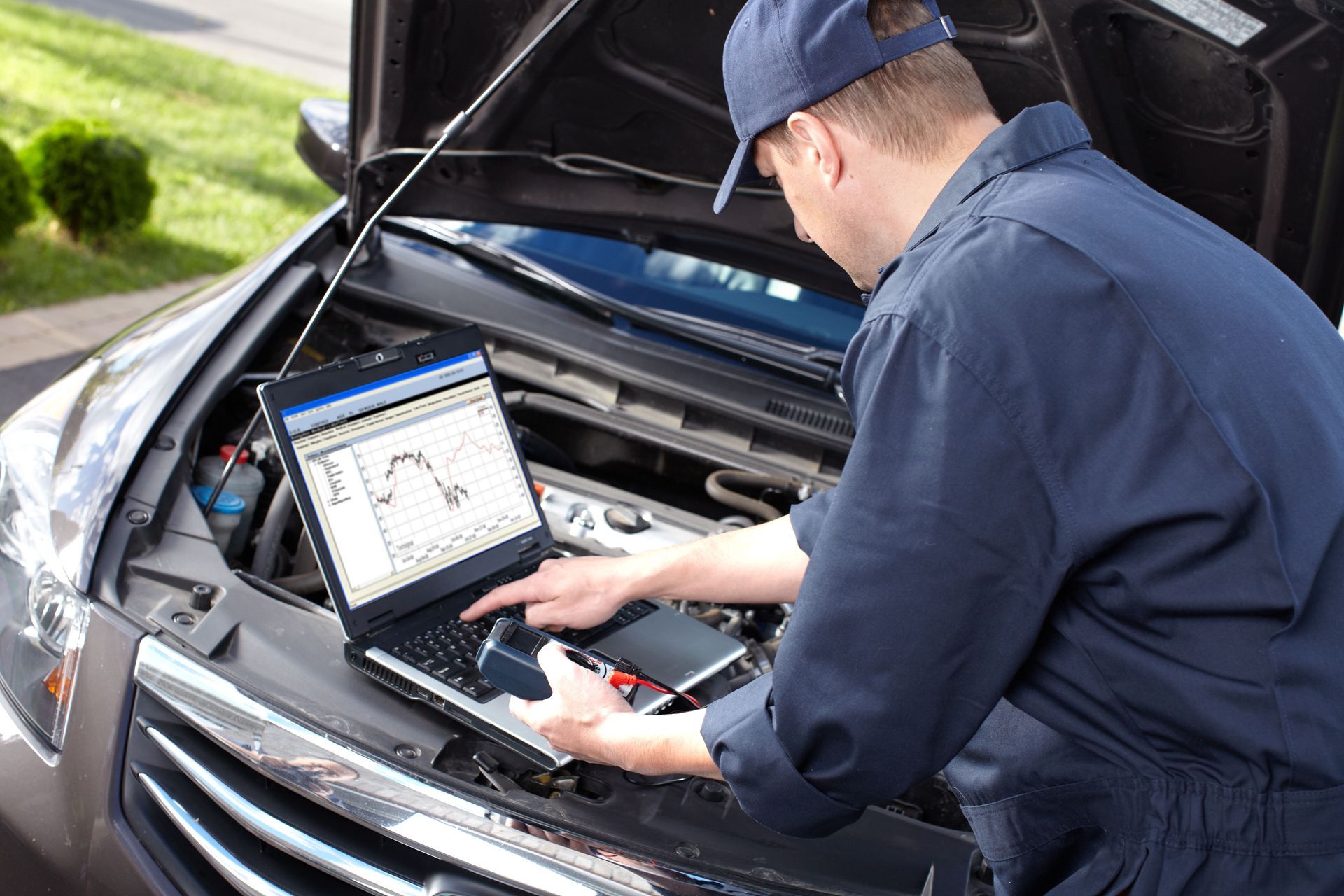
Fast and accurate diagnostics are the foundation of effective Acura repairs, especially when vehicles begin showing inconsistent performance. Modern scan tools can read onboard systems in real time, allowing technicians to pinpoint faults without relying on guesswork. This reduces unnecessary part replacements and helps streamline the repair process from the beginning.
In many cases, warning lights or subtle drivability issues can point to multiple potential causes. Skilled diagnostics help narrow these possibilities quickly so technicians can focus on the exact failure point. As a result, repairs become more efficient, cost-effective, and less disruptive for vehicle owners.
Another advantage of faster diagnostics is reduced vehicle downtime. Instead of extended shop visits, most issues can be identified within a single evaluation cycle. This approach improves service consistency and ensures Acura vehicles return to optimal condition with minimal delay.
2. Repairing Brake System
Brake systems are one of the most critical areas addressed during Acura repairs, as they directly impact driver safety and vehicle control. Common concerns include worn pads, warped rotors, and inconsistent brake fluid performance. When left unresolved, these issues can quickly escalate into more serious safety risks.
Timely brake servicing helps restore smooth stopping power and reduces noise, vibration, and pedal softness. Technicians often inspect the entire braking system to ensure all components are functioning together correctly. This comprehensive approach ensures that repairs deliver long-term reliability rather than temporary fixes.
Regular maintenance also helps prevent uneven wear patterns that can shorten the lifespan of key components. By addressing brake issues early, drivers maintain better control in emergency situations. This makes brake-focused repairs a priority for both safety and performance consistency.
3. Resolving Transmission Errors
Transmission concerns are among the most disruptive problems addressed in Acura repairs because they affect overall drivability. Symptoms such as delayed shifting, slipping gears, or unusual vibrations often indicate internal wear or fluid degradation. These issues require immediate attention to prevent further system damage.
Technicians typically begin with a full system evaluation to determine whether the issue is mechanical or electronic. Modern transmission systems rely heavily on sensors and software calibration, making accurate diagnostics essential. Proper repairs in this area focus on restoring smooth gear transitions and consistent power delivery.
Fluid quality also plays a major role in transmission health. When neglected, it can lead to overheating and internal friction that accelerates wear. Routine service helps maintain system balance and ensures long-term performance stability.
4. Strengthening Engine Performance
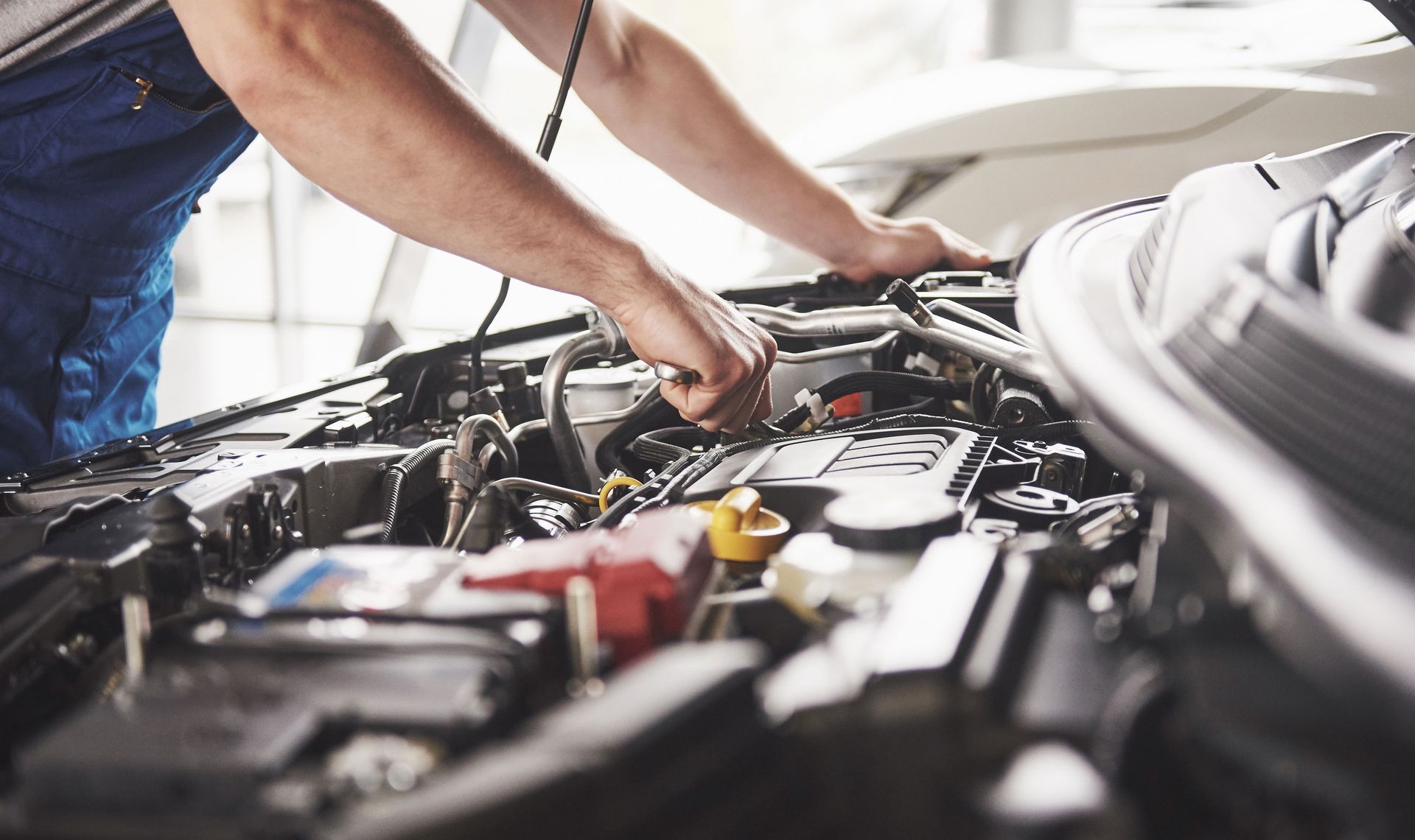
Engine performance is central to overall vehicle reliability, and it is often a primary focus during Acura repairs. Issues such as rough idling, reduced fuel efficiency, or unexpected stalling can signal deeper mechanical or sensor-related problems. Addressing these early helps maintain long-term engine health.
Modern Acura engines rely on a combination of mechanical precision and electronic control systems. When one component falls out of alignment, performance can quickly decline. Effective repairs focus on restoring synchronization between these systems for smoother operation.
Preventive engine inspections also help identify wear before it leads to major failures. Components such as ignition systems, timing elements, and airflow sensors are commonly evaluated. This proactive approach ensures consistent performance and reduces the likelihood of unexpected breakdowns.
5. Enhancing Diagnostic Technology
Advancements in automotive technology have significantly improved the speed and accuracy of Acura repairs. Digital scanning systems now integrate directly with vehicle computers, providing detailed insights into performance data. This allows technicians to identify problems faster and with greater precision.
According to American Honda’s 2025 U.S. sales data, Acura sales exceeded 133,000 units in a single year, reflecting strong ongoing demand for maintenance and service support across luxury and performance segments. This sustained volume reinforces the importance of efficient service systems capable of handling complex repair needs at scale.
With increased vehicle complexity, technology-driven diagnostics reduce uncertainty in repair decisions. Technicians can isolate issues without dismantling entire systems, saving both time and labor. As a result, repairs are becoming more streamlined and predictable across service environments.
6. Improving Preventive Maintenance
Preventive maintenance plays a critical role in reducing the need for extensive Acura repairs over time. Regular inspections help identify wear patterns before they develop into larger mechanical failures. This approach improves both vehicle longevity and day-to-day reliability.
Routine servicing typically includes fluid replacements, filter changes, and system checks that support overall performance stability. These small but consistent actions help maintain engine efficiency and reduce strain on major components. Over time, this reduces the frequency and severity of repairs.
Tire condition, alignment, and battery health also contribute to overall vehicle performance. When these elements are maintained properly, the vehicle operates more efficiently and safely. Preventive care ultimately minimizes unexpected repair costs and improves long-term ownership experience.
7. Managing Customer Experience
Customer experience is an essential part of modern Acura repairs, especially as expectations for speed and transparency continue to rise. Clear communication throughout the repair process helps build trust and reduces uncertainty for vehicle owners.
Service centers that prioritize scheduling flexibility and real-time updates create a more efficient repair experience. Customers benefit from knowing what work is being done and how long it will take. This level of transparency improves satisfaction and encourages long-term service relationships.
Convenience also plays a major role in service quality. Features such as online booking and streamlined check-in processes reduce friction and improve turnaround times. These improvements ensure that Acura repairs remain efficient without compromising accuracy or quality.
Maintaining Acura vehicles requires a balanced approach that combines accurate diagnostics, timely maintenance, and consistent system care. When issues are addressed early, performance remains stable and long-term reliability improves significantly. Structured repairs help ensure that both minor and major concerns are managed effectively before they escalate.
As vehicle systems continue to evolve, repair strategies must also adapt to increased complexity and technological integration. By focusing on prevention, precision, and customer-centered service, drivers can extend the life and performance of their vehicles. Honcura Inc provides expert support designed to keep Acura vehicles operating at their best through reliable service and care. Contact Honcura Inc now!







Share On: