
Honda Repairs for Fixing Common Issues
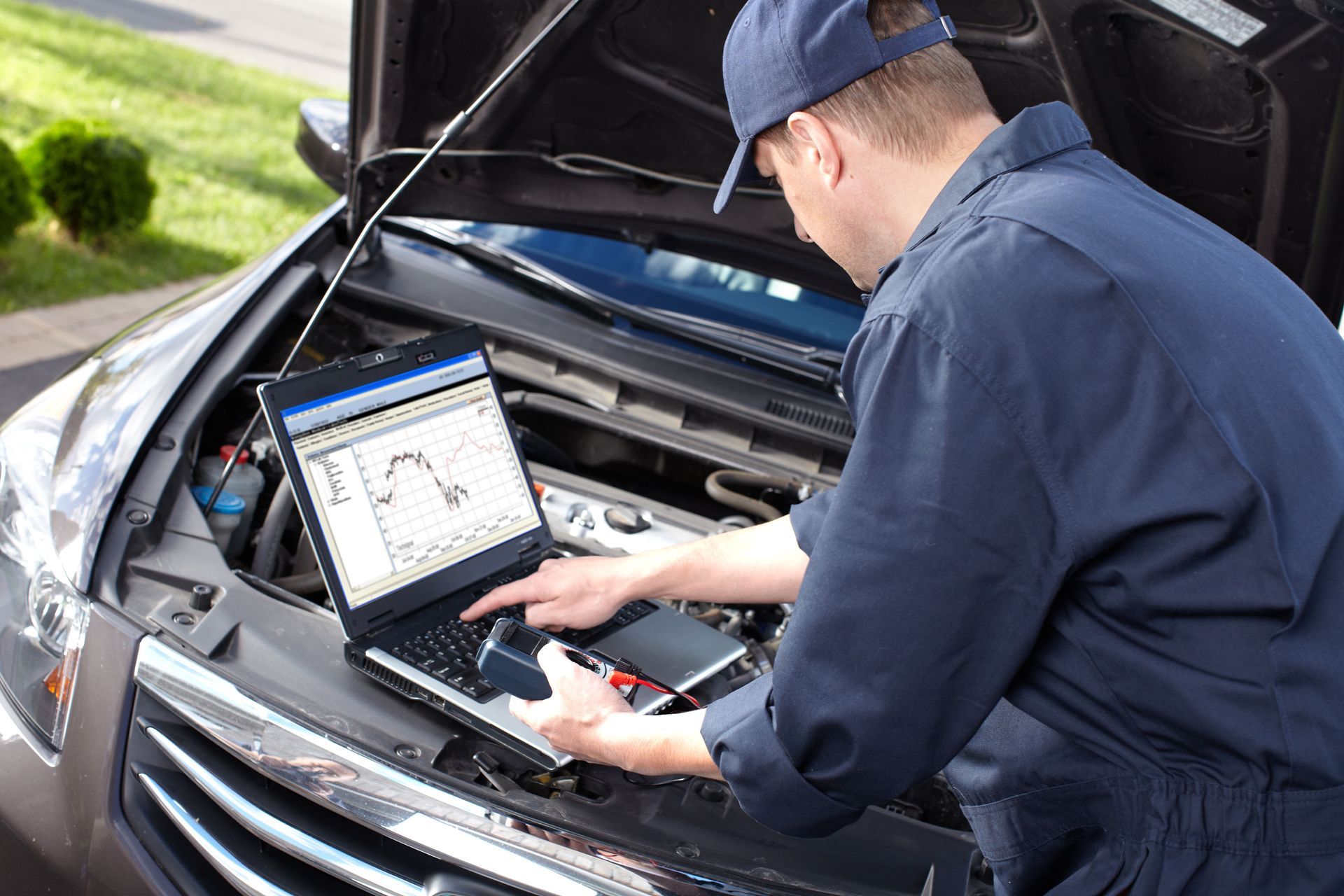
Dashboard warning lights can indicate anything from a maintenance reminder to a problem requiring immediate attention. Honda vehicles use onboard monitoring systems to identify irregularities involving the engine, emissions controls, and other components. When a warning appears, a technician can use diagnostic equipment and inspection procedures to identify the source rather than relying on the light alone. This process helps distinguish between minor concerns and conditions that could affect vehicle performance or reliability.
Engine symptoms can also signal the need for professional evaluation. Rough idling, hesitation during acceleration, unusual vibrations, or difficulty starting may relate to ignition components, fuel delivery, sensors, or other systems. A qualified technician performing Honda repairs can evaluate these symptoms alongside diagnostic information and the vehicle's service history. Accurate diagnosis helps ensure that recommended work addresses the actual problem instead of replacing components without a clear reason.
Addressing Transmission and Shifting Concerns
Transmission performance affects how smoothly a vehicle accelerates and changes gears. Drivers may notice delayed engagement, unexpected shifting, slipping sensations, or unusual noises when the transmission is experiencing a problem. These symptoms can have different causes, so professional assessment is important before determining which service is necessary. Ignoring persistent changes in shifting behavior may allow certain problems to worsen and potentially increase the extent of required repairs.
Technicians can evaluate transmission operation, inspect for leaks, review diagnostic information, and determine whether maintenance or further testing is appropriate. The correct approach depends on the vehicle's model, transmission type, mileage, and service history. Honda repairs involving transmission concerns should follow the manufacturer's specifications and account for the particular system installed in the vehicle. A clear explanation of the findings helps drivers understand the available options and the importance of addressing the issue promptly.
Resolving Brake and Suspension Issues
Brakes and suspension components contribute directly to vehicle control, passenger comfort, and safe operation. Squealing, grinding, vibration during braking, or changes in stopping performance may indicate worn brake components or another system concern. Suspension problems can present differently, including excessive bouncing, uneven tire wear, clunking sounds, or changes in steering response. These symptoms warrant a professional inspection because several components can produce similar warning signs.
A technician can examine brake pads, rotors, calipers, suspension joints, shocks, struts, and related parts as appropriate. The inspection helps determine whether components need replacement or whether an additional issue is affecting performance. Since these systems influence how a vehicle responds on the road, repairs should not be postponed when handling or braking appears compromised. Addressing problems according to their severity helps drivers make informed decisions about vehicle safety and continued use.
Correcting Battery and Electrical Problems
Electrical issues can affect starting, lighting, dashboard displays, power accessories, and other vehicle functions. A weak battery may cause slow cranking or prevent the engine from starting, but similar symptoms can also result from charging-system faults, damaged connections, or excessive electrical draw. Replacing a battery without investigating the underlying cause may not resolve a recurring starting problem. Professional testing helps identify whether the battery, alternator, starter, or another electrical component needs attention.
Modern Honda vehicles rely on interconnected electronic systems, making accurate diagnosis especially important. Warning messages or intermittent accessory failures may require specialized testing to identify the source. During Honda repairs, a technician can evaluate relevant electrical components and review available diagnostic information before recommending corrective work. This systematic approach helps avoid unnecessary replacements and supports reliable operation of systems drivers depend on every day.
Maintaining Cooling and Air Conditioning Systems
The engine cooling system regulates operating temperature, helping prevent overheating and related engine damage. Coolant leaks, a malfunctioning thermostat, radiator problems, or cooling fan faults can interfere with temperature control. Drivers may notice a rising temperature gauge, warning messages, or visible fluid beneath the vehicle. Overheating should be treated seriously because continued operation under these conditions can cause extensive damage.
Air conditioning concerns can also affect everyday comfort, particularly during hot weather. Weak airflow, warm air from the vents, unusual odors, or inconsistent cooling may indicate problems involving refrigerant, electrical controls, the compressor, or airflow components. A technician can evaluate the system and identify the appropriate service. Keeping cooling and climate control systems in good condition helps support dependable vehicle operation and makes daily driving more comfortable throughout changing seasons.
Improving Performance Through Routine Maintenance
Not every service appointment begins with a noticeable problem. Routine maintenance helps technicians monitor wear, replace service items when appropriate, and identify developing concerns before they interfere with vehicle operation. Depending on the model and driving conditions, scheduled service may include oil and filter changes, fluid inspections, tire rotations, brake evaluations, and replacement of specified filters or other maintenance components. Following the maintenance schedule in the owner's manual helps keep service aligned with the vehicle's requirements.
Driving patterns can influence maintenance needs. Frequent short trips, stop-and-go traffic, heavy loads, and extreme temperatures may place different demands on vehicle systems than steady highway driving. A technician can review mileage, service records, and operating conditions when determining which maintenance items are due. Consistent care also creates a useful record of completed work, helping drivers track service history and make better-informed decisions as the vehicle ages.
Understanding the Value of Professional Expertise
Vehicle repair requires more than identifying a symptom and replacing a part. Technicians need to understand how mechanical systems, electronics, and computer-controlled components interact. According to ConsumerAffairs, the U.S. had approximately 652,141 automotive mechanics and technicians as of 2025, illustrating the size of the workforce responsible for maintaining and repairing vehicles. Even within this broad field, experience with specific makes and systems can be valuable when diagnosing a particular concern.
A qualified technician can use diagnostic tools, technical information, and inspection findings to explain the source of a problem. Professional service also provides an opportunity to ask questions about repair priorities, parts, and expected outcomes. When arranging Honda repairs, drivers should look for a provider that communicates clearly and explains why particular work is recommended. Understanding the reasoning behind a repair helps customers make informed choices without assuming that every warning or symptom requires the same solution.
Planning Repairs Around Vehicle Condition
Repair decisions should reflect the vehicle's current condition, maintenance history, mileage, and intended use. A relatively minor issue may need prompt attention if it affects safety, while other concerns may require additional testing before a repair plan can be established. A technician can explain which items need immediate attention and which maintenance needs can be scheduled later, based on the findings. This helps drivers prioritize work without overlooking important mechanical concerns.
Clear estimates and communication are also important parts of the process. Before authorizing service, drivers should understand the recommended work, the parts involved, and any additional inspection that may be needed if another issue is discovered. Repair timelines can vary according to parts availability and diagnostic complexity. Keeping a record of completed repairs and following recommended maintenance intervals helps drivers plan future service and maintain a clearer picture of their vehicle's condition.
When your vehicle develops a warning light, unusual noise, shifting concern, or other performance issue, professional evaluation can help identify the next step. At Honcura Inc, we understand the importance of dependable transportation and clear information when a vehicle needs attention. Our team can discuss your concerns, evaluate the reported symptoms, and explain the service options appropriate for your vehicle's condition.
Whether you need help addressing a specific problem or keeping up with scheduled maintenance, we can help you understand your vehicle's service needs. Timely
Honda repairs can address developing issues and support continued performance when the work is based on accurate diagnosis and appropriate service procedures. Contact Honcura Inc to schedule an appointment and discuss how we can help keep your vehicle operating reliably.





Share On: